
😬 Target's New CEO Warns Tariff Trouble — Stock Sinks to $98
Up Next
8 videos
Your Phone Won't Exist Soon
January 7th, 2026
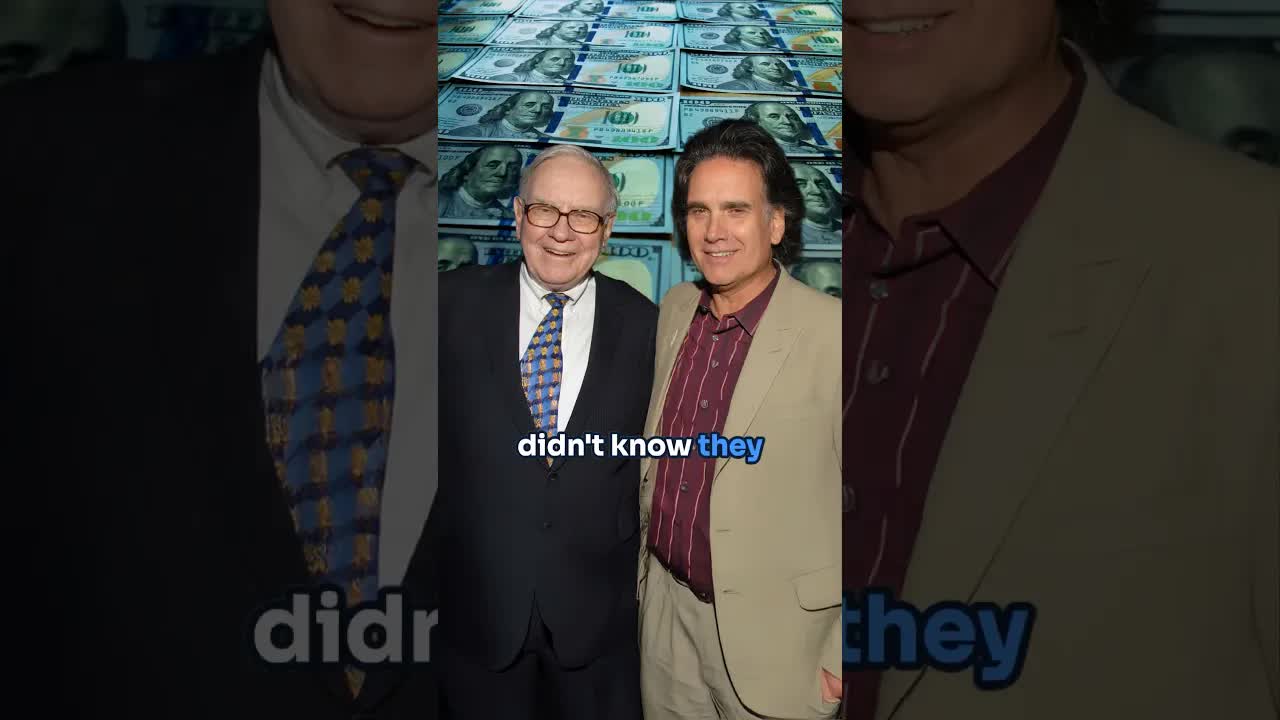
Buffett Hid His Wealth From His Son
December 30th, 2025
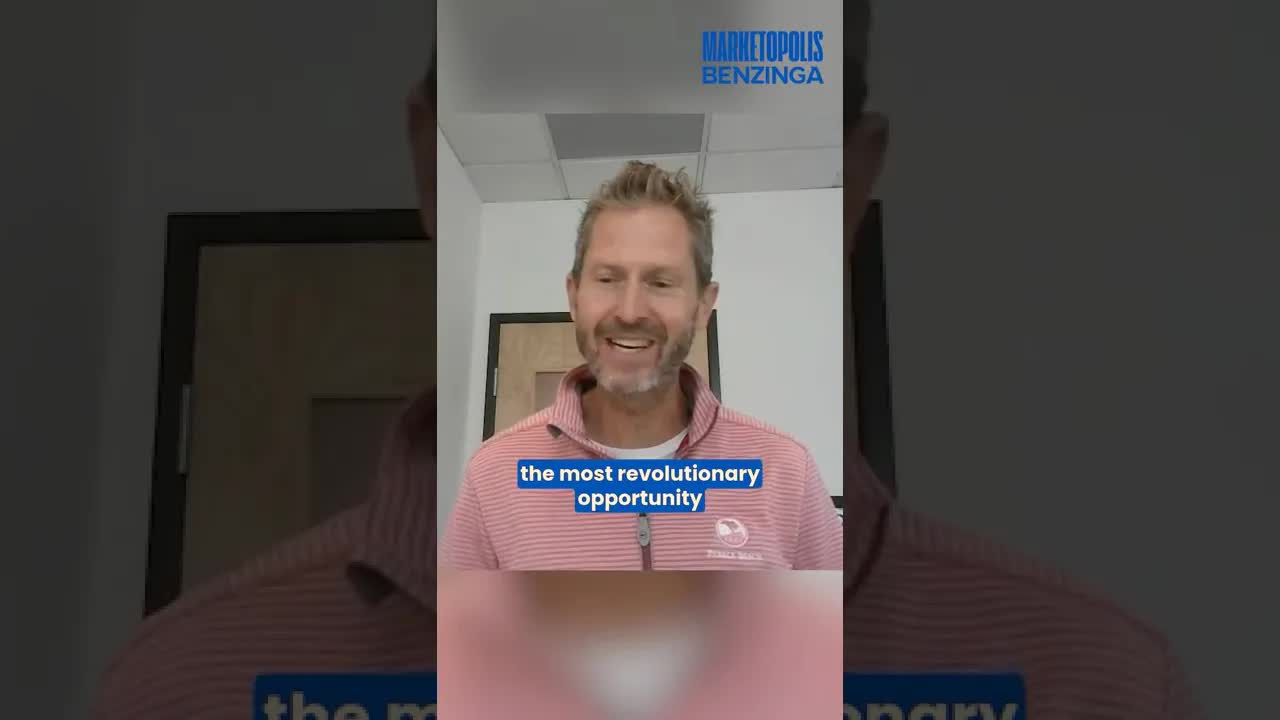
This CEO Is Betting Big on AI and Energy 🔋🤖
October 21st, 2025
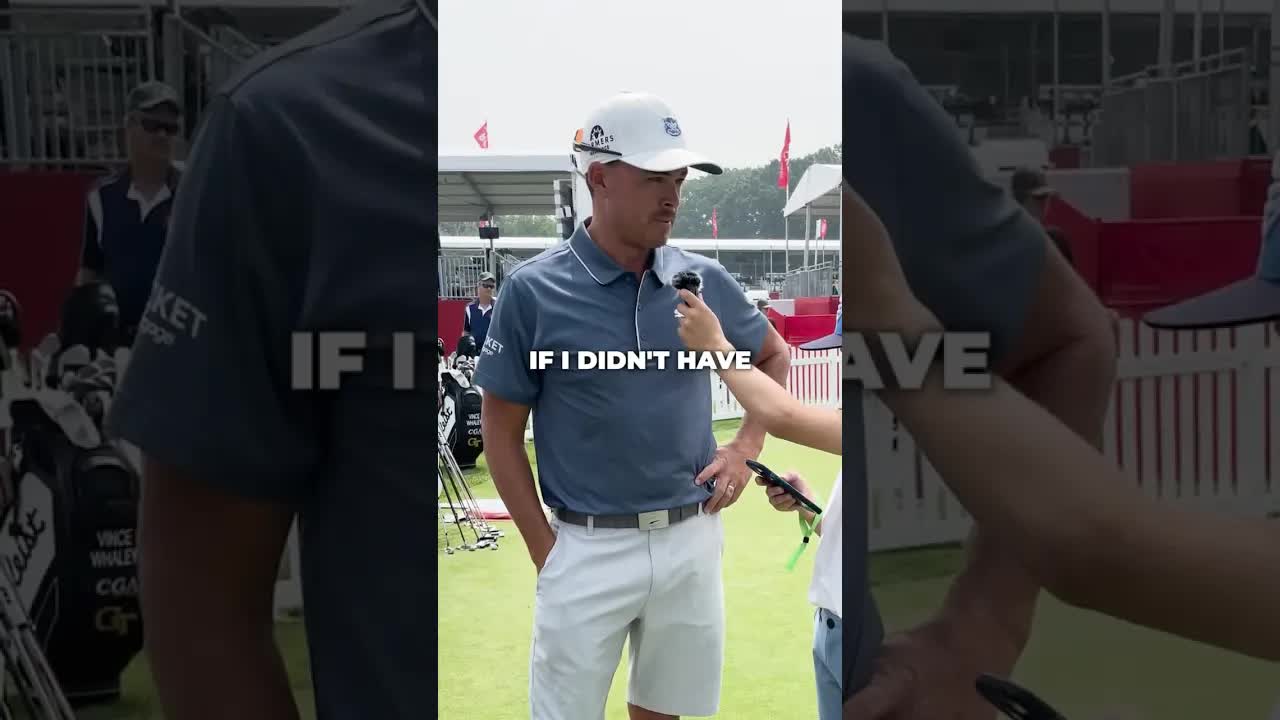
PGA Golfers Reveal Who They’d Be Stranded on an Island With 🏝️
June 26th, 2025

Does Market Size Really Matter? Sam Altman Explains
November 28th, 2024
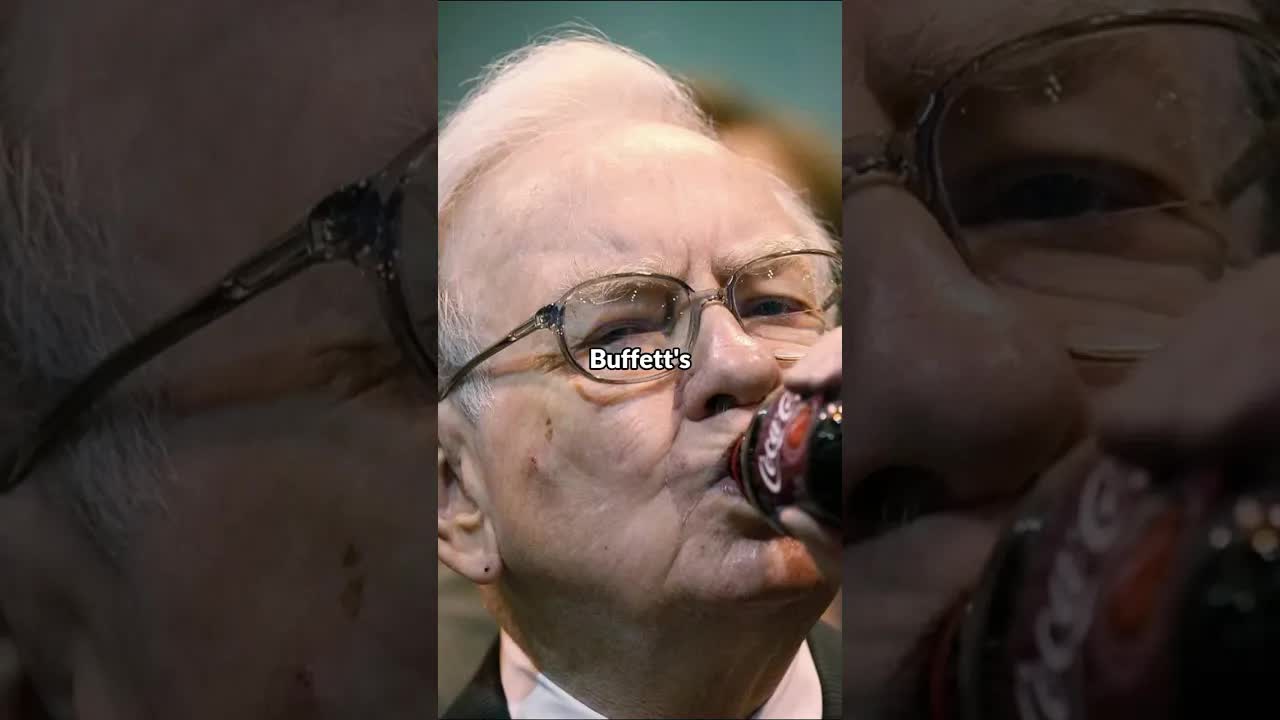
Warren Buffett’s $25 Billion Love for Coca-Cola
November 22nd, 2024

Tesla CEO Elon Musk Salutes Rival Jim Farley On Ford's Epic 2023 Sales Achievements
January 11th, 2024

Broadcom Stock Jumps On $30B Apple Deal
July 8th, 2026
Target stock just plunged nearly 11% in premarket trading, falling to around $98.19, even after beating Wall Street’s earnings expectations. The retailer reported Q2 adjusted EPS of $2.05 versus $2.03 expected and sales of $25.21 billion versus $24.93 billion. But despite the earnings beat, comparable sales fell 1.9%, operating income dropped 19%, and margins slipped as shoppers cut back. Outgoing CEO Brian Cornell warned investors that tariffs will bring short-term pressure to the company’s financials. Meanwhile, Target announced that COO Michael Fiddelke will succeed Cornell as CEO in 2026. Is this a temporary tariff problem, or is Target falling further behind Walmart? #TargetStock #StockMarket #TargetCEO 🌐 Want more market-moving insights? Dive deeper at www.benzinga.com — your one-stop destination for the latest financial news, data, and expert analysis to stay ahead of the markets. 📲 Let’s stay connected! Follow us for real-time updates, market tips, and exclusive content: 🔹 Instagram: https://www.instagram.com/benzinga 🔹 Facebook: https://www.facebook.com/benzinga 🔹 TikTok: https://www.tiktok.com/@benzinga 🔹 X: https://www.x.com/benzinga ⚠️ Disclaimer: Investing in financial markets carries risk, and there are no guaranteed returns. All information is for educational purposes only and should not be taken as financial advice. Always do your own research and speak with a qualified financial advisor before making investment decisions. Only invest what you can afford to lose. Past performance does not guarantee future outcomes.