
Jerry Greenfield Quits Ben & Jerry’s After 47 Years — What’s Next?
Up Next
8 videos
Inside 'Captain Condor': the massive options condor forcing traders to double down on Christmas Eve
December 24th, 2025

How Laird Superfood’s Costco Deal Is Supercharging Growth ☕
October 16th, 2025
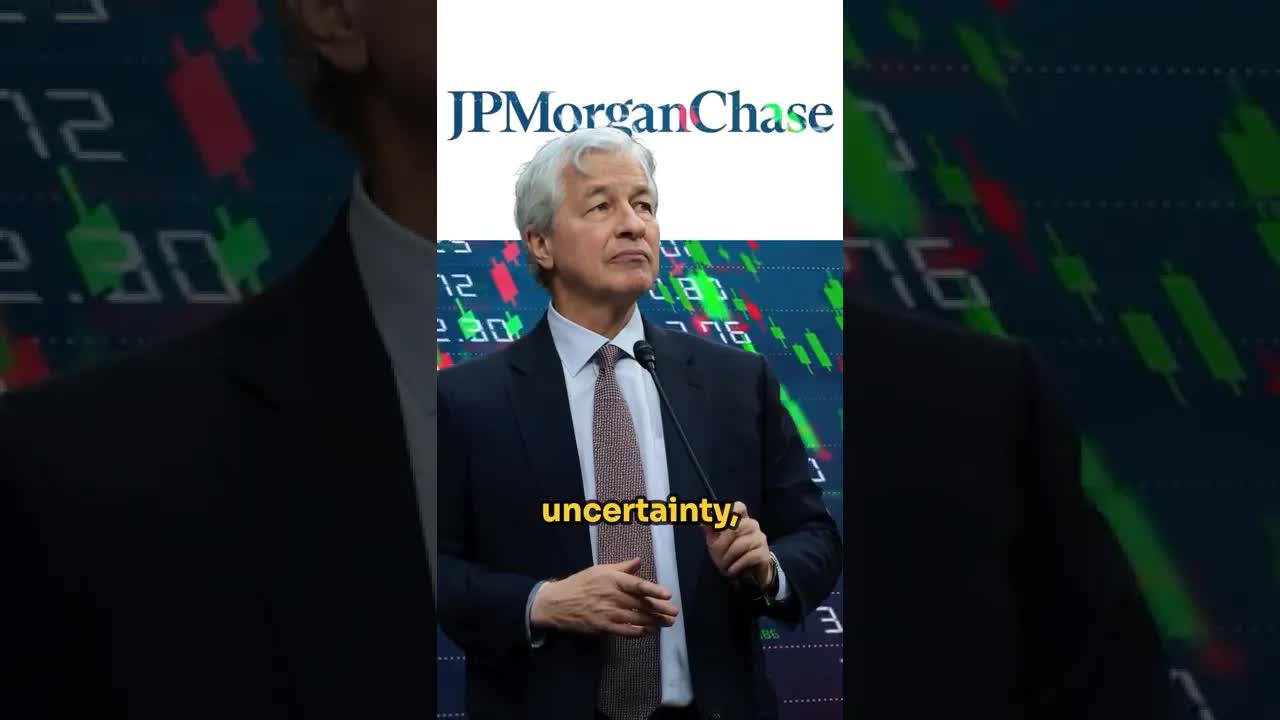
JPMorgan Just Beat Earnings — But Dimon Sounds Alarm 🚨
October 14th, 2025

Trump Strikes UK Trade Deal worth Billions 💰
May 8th, 2025

📉 Warren Buffett Charges His Son Rent—Based on His Weight?! ⚖️💰
April 9th, 2025

Sh*t’s happening on season 9 of Summer House with Kyle Cooke
September 5th, 2024

Why You Should Become a Funded Trader with Trade The Pool
August 27th, 2024

Tis The Season Of Side Hustles
November 30th, 2023
Ben & Jerry’s co-founder Jerry Greenfield has stepped down after nearly 50 years, saying Unilever has silenced the company’s voice on global issues. This comes just months before Unilever spins off its entire ice cream division into the Magnum Ice Cream Company, set to go public in November. In this video, we break down what this means for Ben & Jerry’s, why the timing matters, and how this could affect Unilever’s stock price and brand identity going forward. Watch until the end and tell us what you think: Can Ben & Jerry’s stay true to its mission without its co-founder? #benandjerrys #unilever #finance 🌐 Want more market-moving insights? Dive deeper at www.benzinga.com — your one-stop destination for the latest financial news, data, and expert analysis to stay ahead of the markets. 📲 Let’s stay connected! Follow us for real-time updates, market tips, and exclusive content: 🔹 Instagram: https://www.instagram.com/benzinga 🔹 Facebook: https://www.facebook.com/benzinga 🔹 TikTok: https://www.tiktok.com/@benzinga 🔹 X: https://www.x.com/benzinga ⚠️ Disclaimer: Investing in financial markets carries risk, and there are no guaranteed returns. All information is for educational purposes only and should not be taken as financial advice. Always do your own research and speak with a qualified financial advisor before making investment decisions. Only invest what you can afford to lose. Past performance does not guarantee future outcomes.